
ADU Permit Process In California: A Step-by-Step Guide
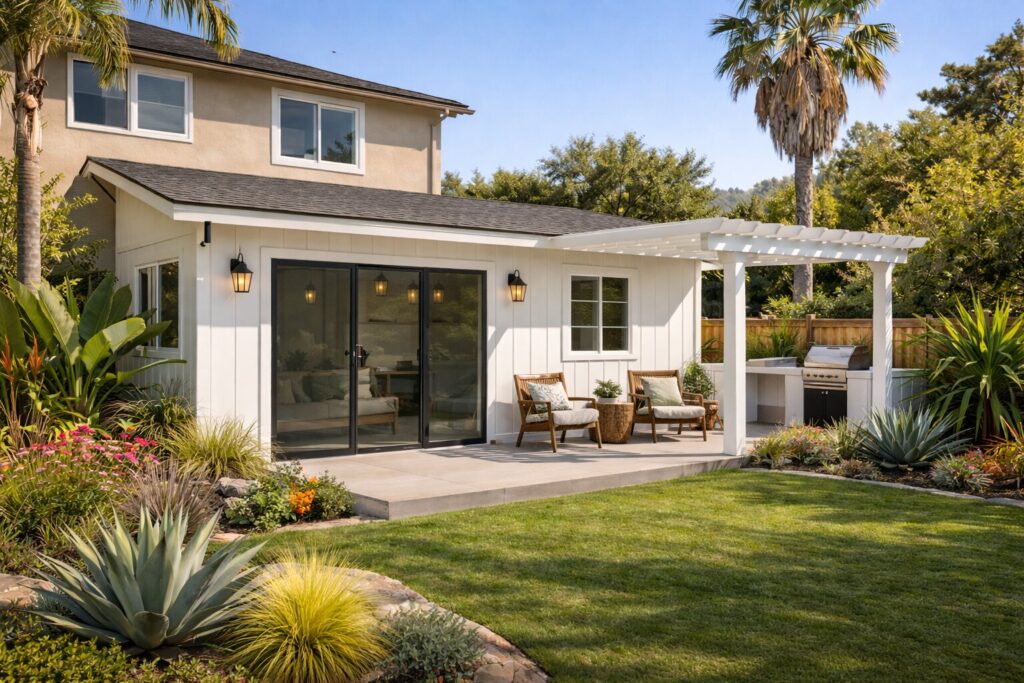
Accessory Dwelling Units (ADUs) continue to be one of the most powerful tools California homeowners can use to add living space, increase property value, and generate rental income. As housing demand grows and state laws continue to evolve, ADU construction has become more accessible—but the ADU permit process in California can still feel confusing without clear guidance.
Many homeowners abandon ADU plans not because they don’t want to build, but because they’re unsure how permits work, how long approvals take, or where to start. This 2026-updated guide breaks down the ADU permit process step by step, so you know exactly what to expect—and how to move forward with confidence.
Why The ADU Permit Process Matters In California
California has made major efforts to streamline ADU approvals, but permits are still required to ensure safety, zoning compliance, and legal occupancy. Permits protect homeowners from fines, stop-work orders, insurance issues, and resale complications.
A properly permitted ADU:
- Can be legally rented or occupied
- Meets state and local building codes
- Increases property value safely
- Avoids costly enforcement issues
Understanding the ADU permit process California homeowners must follow is the foundation of a successful project.
Step 1: Confirm Your Property Is Eligible for an ADU
The first step in the ADU permit process is determining whether your property qualifies. Under current California law, ADUs are allowed on most single-family and many multi-family properties, but local zoning still plays a role.
Eligibility review typically includes:
- Zoning classification
- Lot size and layout
- Existing structures
- Utility access (sewer, water, electrical)
- Easements or environmental constraints
Most homeowners benefit from a professional review at this stage to avoid designing an ADU that can’t be approved.
Step 2: Choose the Type of ADU You Want to Build
California allows several ADU types, and each affects your permit requirements.
Common options include:
- Detached ADU – a standalone structure in the backyard
- Attached ADU – connected to the primary home
- Garage Conversion ADU – converting an existing garage
- Junior ADU (JADU) – a smaller unit within the main home
Your choice impacts:
- Permit review complexity
- Utility planning
- Construction cost
- Approval timelines
Choosing the right ADU type early helps keep the permit process efficient.
Step 3: Design the ADU to Meet State and Local Rules
This step is where many permit delays originate. Even though California has statewide ADU laws, cities still enforce local building codes, setbacks, and safety standards.
Permit-ready ADU design must account for:
- Maximum allowed square footage
- Height limits
- Setback requirements
- Fire access rules
- Window and egress requirements
- Parking exemptions or requirements
Designing with compliance in mind—not just aesthetics—reduces the risk of plan check corrections.
Step 4: Prepare the Required Permit Documents
The ADU permit process in California requires detailed construction documents, not just concept drawings.
Most jurisdictions require:
- Site plan (property boundaries, setbacks, existing structures)
- Floor plans (room dimensions, layout)
- Elevations (exterior views, height)
- Structural plans (when applicable)
- Plumbing, electrical, and mechanical layouts
- Energy compliance (Title 24) documentation
Incomplete or inconsistent plans are the most common cause of delays.
Step 5: Submit the ADU Permit Application
Once plans are complete, the permit application is submitted to the local building department. California law requires cities to review ADU applications within set timeframes, but the clock often pauses if corrections are needed.
Submission typically includes:
- Completed permit application forms
- Full plan set
- Supporting reports (energy, structural, etc.)
- Required permit fees
At this point, your project enters the official review process.
Step 6: Go Through Plan Check Review
Plan check is when the city evaluates whether your ADU meets all applicable codes and regulations.
Review departments may include:
- Planning and zoning
- Building and safety
- Fire department
- Engineering
- Utilities
If issues are found, the city issues a correction notice. This is normal—but how quickly corrections are addressed directly affects your timeline.
Step 7: Respond to Corrections and Resubmit (If Needed)
Most ADU permits require at least one round of revisions. Corrections may involve:
- Adjusting setbacks or placement
- Clarifying structural details
- Updating utility layouts
- Revising energy compliance calculations
Fast, accurate resubmissions are key to keeping the process moving. This is where experienced ADU professionals can save weeks or months.
Step 8: Receive Permit Approval and Start Construction
Once all corrections are resolved, the city issues the ADU permit. Construction can now legally begin.
Important reminders:
- Construction must match approved plans
- Any mid-build changes may require revisions
- Inspections are required throughout the build
Starting with a clean, approved permit reduces construction risks.
Step 9: Complete Inspections and Final Approval
During construction, inspectors verify compliance at key stages:
- Foundation
- Framing
- Electrical and plumbing
- Insulation
- Final inspection
Once all inspections pass, the ADU is officially approved for occupancy.
Common Mistakes That Slow the ADU Permit Process
Homeowners often run into delays due to:
- Incomplete plan sets
- Poor site measurements
- Misunderstanding zoning rules
- Ignoring Title 24 requirements
- Delayed responses to corrections
Avoiding these mistakes is essential for a smooth ADU permit experience.
How Fortune ADU Helps Homeowners Navigate the ADU Permit Process
The ADU permit process California homeowners face can feel overwhelming—but it doesn’t have to be. Fortune ADU helps simplify the journey by guiding homeowners through planning, permits, and preparation with clarity and experience.
By focusing on permit-friendly design, accurate documentation, and efficient coordination, Fortune ADU helps homeowners:
- Avoid unnecessary delays
- Reduce costly revisions
- Move from concept to approval faster
- Build ADUs that meet both code and lifestyle needs
Learn more about available services here:
👉 https://www.fortuneadu.com/
Ready to Start? Get a Free ADU Permit Consultation
If you’re considering building an ADU and want clarity on your property’s eligibility, timeline, and permit requirements, professional guidance can save you time and stress.
👉 Schedule a Free ADU Permit Consultation with Fortune ADU today and take the first step toward a fully approved, build-ready ADU.
Final Thoughts
The ADU permit process in California has become more streamlined—but success still depends on preparation, compliance, and expert guidance. With the right approach, permits don’t have to be a roadblock. They can be a clear pathway toward adding value, flexibility, and income to your home.