
How To Get An ADU Permit In San Diego Step By Step
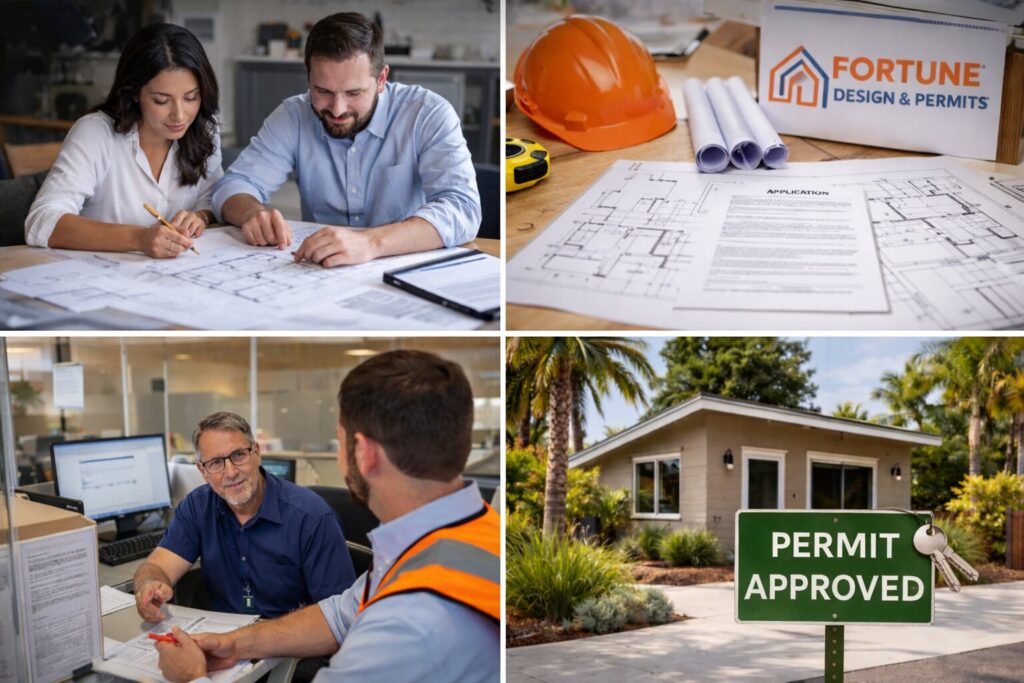
Accessory Dwelling Units (ADUs) have become one of the most popular home improvement projects in San Diego—and for good reason. An ADU can create extra living space for family members, generate steady rental income, and significantly increase property value. But before you can start construction, you must navigate one critical phase: getting your ADU permit approved.
If you’ve been searching online for How To Get an ADU Permit in San Diego, you’re not alone. Many homeowners quickly discover that the permit process can feel overwhelming at first. Between zoning rules, building requirements, paperwork, and plan reviews, there are multiple steps that must be handled correctly in order to avoid delays.
The good news is that the process becomes much easier when you understand what to expect. In this step-by-step guide, we’ll explain How To Get an ADU Permit, what documents you’ll need, what the City of San Diego typically looks for, and how working with Fortune ADU can help simplify and speed up your project.
Step 1: Confirm Your Property Is Eligible for an ADU
The first step in learning How To Get an ADU Permit in San Diego is confirming your property qualifies. San Diego generally allows ADUs on most single-family and many multi-family lots, but certain rules still apply depending on your location, zoning, and lot conditions.
Before planning your unit, you’ll want to review:
- Your property zoning category
- Lot size and shape
- Existing buildings and structures
- Utility access (sewer, water, electrical)
- Easements or setbacks that affect buildable areas
- HOA rules (if applicable)
This early evaluation helps prevent expensive design changes later. It’s also where many homeowners benefit from ADU professionals who understand local requirements.
Step 2: Decide What Type of ADU You Want to Build
There’s more than one kind of ADU—and the type you choose affects your permit requirements and overall timeline.
Here are common options:
Detached ADU
A separate structure built in your backyard, offering full privacy and independent living.
Attached ADU
An ADU connected to the existing home, often created as an addition.
Garage Conversion ADU
A popular option that converts an existing garage into livable space, often saving time and foundation costs.
Junior ADU (JADU)
A smaller unit created within the main home (usually 500 sq ft or less) with specific requirements and limitations.
Choosing the right type of ADU depends on your goals, property layout, and budget. If you’ve ever searched “How To Get an ADU Permit Near Me,” it’s likely because you want a solution tailored to your specific property and local rules—which is exactly why professional guidance can be valuable.
Step 3: Determine the Best Size and Layout for Your ADU
Once you decide the ADU type, the next step is planning the size and layout.
Common ADU layouts include:
- Studio ADU
- One-bedroom ADU
- Two-bedroom ADU (for larger lots)
Your layout will influence:
- Building footprint
- Interior plumbing design
- Electrical planning
- Natural light and window placement
- Energy compliance requirements
This is also where smart design can make the unit feel larger, improve rental appeal, and maximize resale value.
Step 4: Create Permit-Ready Plans
A major part of understanding How To Get an ADU Permit is realizing that the permit isn’t based on a basic sketch or idea—it requires technical construction plans that meet city review standards.
In San Diego, ADU permit plans typically include:
✅ Site Plan
A diagram showing:
- Property lines
- Existing buildings
- Proposed ADU placement
- Setbacks, distances, and access points
✅ Floor Plan
A detailed interior layout including:
- Room dimensions
- Kitchen and bathroom placement
- Door and window locations
✅ Elevations
Exterior views that show:
- Height
- Roof design
- Exterior appearance
✅ Structural Plans (If Needed)
Some projects require structural engineering, especially if the ADU:
- Is built above a garage
- Includes major foundation changes
- Is attached to the home
✅ MEP Layout (Mechanical, Electrical, Plumbing)
Plans often need to show how utilities connect and function.
Permit-ready plans must be complete and consistent. Missing details are one of the biggest reasons homeowners experience delays during city plan check.
Step 5: Prepare Energy and Efficiency Requirements (Title 24)
California requires Title 24 energy compliance for most ADU construction projects. This affects insulation, window performance, HVAC selection, and lighting.
Depending on your project, this step may include:
- Energy compliance documentation
- Efficient appliance planning
- Heating and cooling specifications
- Ventilation requirements
It’s important to plan for these standards early so your ADU design isn’t delayed or forced into last-minute changes.
Step 6: Submit Your ADU Permit Application
Once your plans and documents are complete, the next step in How To Get an ADU Permit in San Diego is submitting your application to the City of San Diego for review.
This typically includes:
- Completed permit application forms
- Full plan sets
- Supporting documents (Title 24, structural reports, etc.)
- Any required fees
At this stage, your application enters the plan review process, where city reviewers evaluate whether your ADU meets code requirements.
Step 7: Go Through Plan Check Review
Plan check is one of the most important stages—and it’s where many homeowners get stuck if their documents aren’t properly prepared.
During plan check, the city may review:
- Zoning compliance
- Fire access requirements
- Building code compliance
- Structural safety
- Utility and drainage compliance
- Energy standards
If the city finds issues, they will issue corrections. You’ll need to revise your plans and resubmit.
This is why many homeowners search for How To Get an ADU Permit Near Me—because they want a local team that understands how to respond quickly and correctly to permit corrections.
Step 8: Revise Plans (If Required) and Resubmit
In many cases, the city will request adjustments. These may include:
- Updating site plan measurements
- Adjusting setbacks
- Clarifying structural details
- Revising electrical or plumbing layouts
- Addressing missing information
The faster and more accurately you address corrections, the sooner you can move toward approval.
Working with experienced ADU professionals can significantly reduce back-and-forth revisions.
Step 9: Receive Permit Approval and Begin Construction
Once your ADU permit is approved, you’ll receive permission to start construction. At this point, it’s critical that the build matches the approved plans.
This is where homeowners should be careful: changing features mid-build (layout changes, window changes, structural adjustments) may require additional approvals.
Starting construction with fully approved documents helps protect your timeline and prevents costly complications.
Step 10: Schedule Required Inspections During the Build
After construction begins, inspections ensure everything is built according to code and permit standards.
Common inspections may include:
- Foundation inspection
- Framing inspection
- Electrical and plumbing inspections
- Insulation inspection
- Final inspection
Once all inspections are complete and approved, your ADU can be legally occupied.
Common Mistakes That Delay ADU Permits
Even homeowners with great intentions can run into problems. Here are the most common issues that slow down approvals:
🚫 Submitting incomplete plans
🚫 Incorrect site plan dimensions
🚫 Ignoring Title 24 requirements
🚫 Misunderstanding setbacks or zoning rules
🚫 Utility plans that lack detail
🚫 Slow responses to city corrections
Avoiding these mistakes is a key part of learning How To Get an ADU Permit successfully.
Why Homeowners Work with Fortune ADU
If you want the most efficient experience, working with a professional team can make the process smoother and far less stressful. Fortune ADU supports homeowners who want expert guidance on How To Get an ADU Permit in San Diego without confusion and unnecessary delays.
How Fortune ADU Helps
Fortune ADU assists with:
- Permit-friendly planning and layout decisions
- Organized documentation preparation
- Guidance through city requirements
- Support through plan check corrections
- A smoother transition from permit approval to construction
Instead of navigating everything alone, homeowners get a clearer roadmap that helps their ADU project move forward.
When you’re searching online for How To Get an ADU Permit Near Me, you’re really looking for local support you can trust—and Fortune ADU delivers exactly that.
Final Thoughts: Getting Your ADU Permit the Right Way
Learning How To Get an ADU Permit in San Diego step by step makes the process far more manageable. The key is planning carefully, preparing permit-ready documentation, and responding quickly to city feedback.
While the permitting process can feel complex at first, the reward is well worth it: a legal, safe, and valuable ADU that improves your property and expands your options for living space or income. For homeowners who want professional guidance and a smoother path to approval, Fortune ADU is a strong partner to consider.